
Roost & Garret shares practical, down-to-earth guidance on backyard chicken keeping for small uk gardens for readers across the UK.
- 0123456789
- Angle Bd Abdelmoumen & rue soumaya, Résidence
- [email protected]
Roost & Garret shares practical, down-to-earth guidance on backyard chicken keeping for small uk gardens for readers across the UK.
 By Thomas Ashcroft
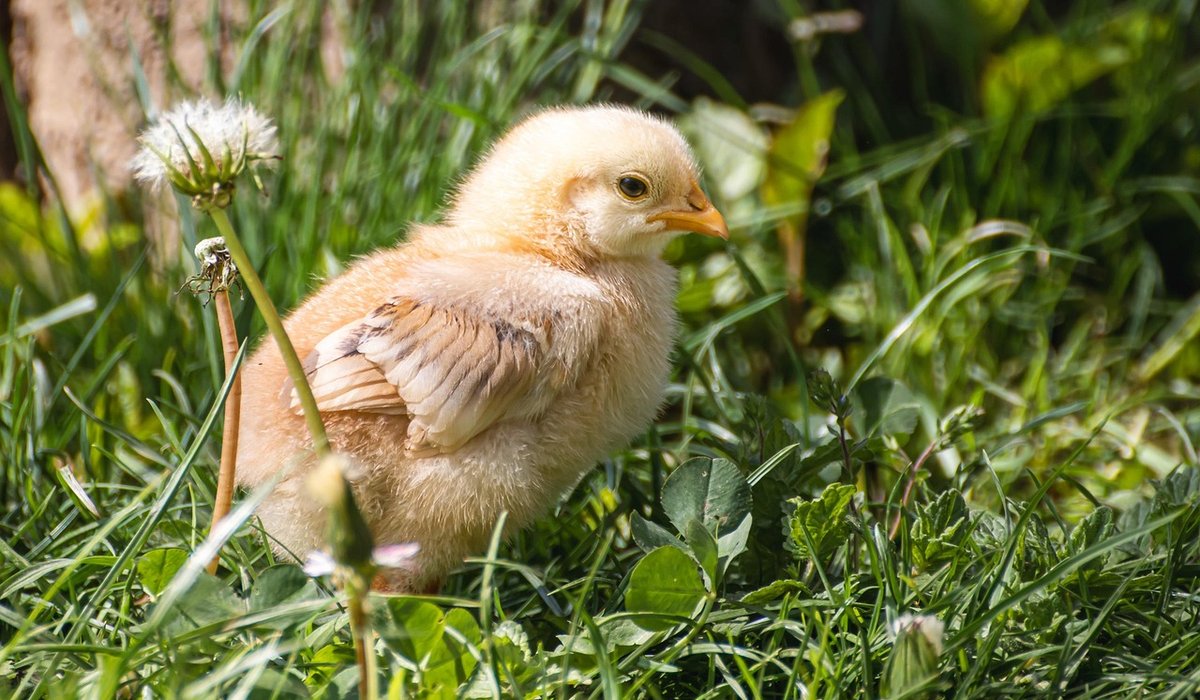
A modest plot of three to five dwarf fruit trees can transform a hen run. They offer dappled shade in summer, a source of fallen fruit in autumn, and a home for insects that hens love to scratch for. In return, your flock fertilises the soil, eats many pests, and keeps the grass down beneath the trees. The trick is to plan the planting so that hens do not destroy the young root systems before the trees are established.
Small UK gardens are perfect for this. You do not need a field. A corner of a lawn, a strip along a fence, or even a large patio with raised beds will work. The key is choosing the right trees and protecting them properly for the first few years.
For small gardens, you need trees that stay compact. The rootstock controls final size. For apples, choose M27 (very dwarf, 1.5–2m) or M9 (dwarf, 2–3m). M26 is slightly larger but still manageable. For pears, Quince C is the best dwarfing rootstock, giving a tree of 2.5–3m. For plums, Pixy keeps trees to about 3m, while St Julien A is a bit more vigorous at 3.5–4m.
Buy bare-root trees in winter from a reputable nursery. Plant them while dormant. Choose varieties that suit your taste and the UK climate. Good apples include 'Discovery', 'Egremont Russet' and 'Sunset'. For pears, 'Conference' and 'Concorde' are reliable. Plums: 'Victoria' is the classic, and 'Oullins Gage' is a lovely early option. All of these will crop well in most parts of the UK, provided they get sun and shelter from strong winds.
Dwarf trees need less space than you might think. Apples on M27 can be planted 1.5–2m apart. M9 needs 2–3m. Pears on Quince C: 2.5–3m. Plums on Pixy: 3–4m. That means a 5m x 5m patch can comfortably hold four to six trees.
The critical issue is hen damage. Chickens scratch constantly, and their powerful feet can expose shallow roots, especially on dwarf rootstocks. Young trees have fragile roots that dry out or get pecked. So you must create a protected zone around each trunk. Here are four practical methods:
Fallen fruit is a mixed blessing. Hens love it, and a little is fine. But too much fermenting fruit can cause crop problems or even alcohol poisoning. So collect windfalls daily. You can feed sound fruit to the hens in small amounts, but remove any rotting or mouldy ones. This also stops wasps and rats being attracted.
On the plus side, hens eat codling moth larvae in fallen apples, helping break the pest cycle. They also eat plum moth and pear midge. Let them forage under the trees for a few hours each day, but not all day if you have young trees. A movable electric netting fence can section off the orchard while trees establish. Once the trees are three or four years old, you can let the hens roam freely beneath them. Their scratching will be less damaging, and they will keep the ground clear of pests.
Spring: check tree guards are secure. Hens may dustbathe near trunks, so top up mulch. Summer: ensure shade is available. Hens will shelter under the leaves. Water trees deeply once a week in dry spells. Autumn: harvest and clear windfalls. Prune apples and pears in winter, plums in summer to avoid silver leaf. Winter: plant new bare-root trees. Keep hens off waterlogged soil to avoid compacting it.
Chicken manure is rich in nitrogen. Compost it first or apply thinly in winter. Fresh manure can burn roots. Let hens scratch it into the surface, but not around young trees. A simple routine of daily windfall collection and weekly tree checks will keep both hens and trees thriving. You will soon see the benefits: healthier hens, better fruit, and a garden that works as a small ecosystem.
Imagine a 6m x 4m garden. Plant three dwarf apple trees on M9 at 3m spacing along one side. Add one pear on Quince C and one plum on Pixy in the corners. Surround each with a mesh guard. Leave a central area for hens to dustbathe and forage. Use a few stepping stones to protect grass. In two to three years, the trees will provide shade, fruit, and a steady supply of insects. Your hens will be healthier for it.
The key is patience. Protect the roots first, then let the hens enjoy the orchard once the trees are strong. A small orchard and a small flock can be the best of companions, even in the tiniest UK garden.


We are not gonna make spamming
