
Roost & Garret shares practical, down-to-earth guidance on backyard chicken keeping for small uk gardens for readers across the UK.
- 0123456789
- Angle Bd Abdelmoumen & rue soumaya, Résidence
- [email protected]
Roost & Garret shares practical, down-to-earth guidance on backyard chicken keeping for small uk gardens for readers across the UK.
 By Charlotte Pemberton
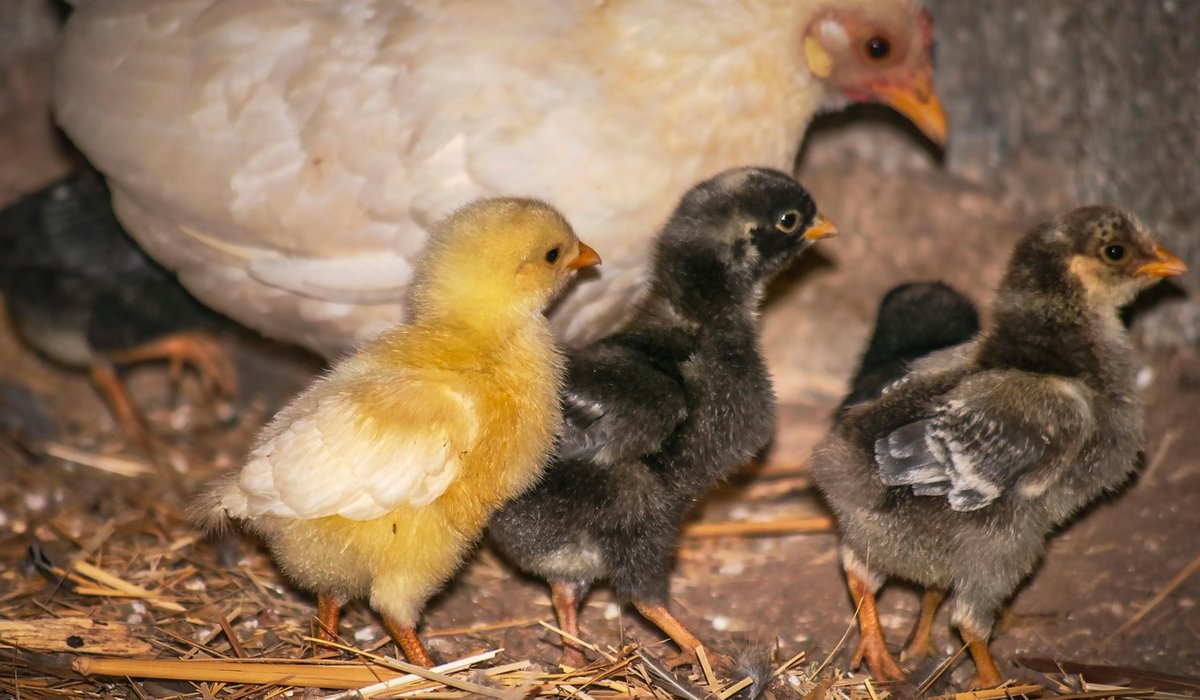
Three is the sweet spot for a town garden. It is enough birds for proper company — hens are flock animals and a single bird is a miserable one — but few enough that a 3m x 2m run does not swallow your whole lawn. If you lose one hen, you still have a pair rather than a lonely individual, which buys you time to decide what to do next.
Three hens also match real household demand. A good hybrid will lay somewhere between 250 and 300 eggs in her first year, so three birds give you roughly two eggs a day through spring and summer. That is generous without tipping into a glut you cannot give away. And if you decide after a year that chicken keeping is not for you, rehoming three hens is far simpler than rehoming eight.
Ignore the tiny coops sold as "suitable for three hens". A useful rule is at least 0.3 square metres of floor space per bird inside the house, plus a nest box, plus a perch allowing 20–25cm per hen. Three hens therefore need a house of around 1 square metre internally — noticeably bigger than most budget ark coops.
For the run, aim for a minimum of 1 square metre per bird, so around 3 square metres for your flock. In a small garden that usually means a permanent walk-in run rather than a movable one. Woodchip over a hard base is the most practical flooring: it drains, composts well and is far less smelly than straw or bark.
Two details matter more than anything else:
Buy point-of-lay pullets at around 18–22 weeks from a reputable breeder or smallholder. Hybrids such as Bluebells, Speckledys or Warrens are the practical choice for beginners: hardy, calm and reliable layers. Pure breeds are lovely but often lay fewer eggs and can be more broody.
Ex-commercial hens are rewarding to rescue but arrive feather-bare and need a gentler start, so they are better as a second flock than a first. Whatever you choose, buy all three at once and from the same source — introducing new birds later is a slow, sometimes fractious process.
Do not keep a cockerel in a town garden. He will crow from 4am, your neighbours will not forgive you, and many tenancies and deeds forbid it outright.
Most objections come down to four things: noise, smell, flies and rats. All are manageable.
Having said all that, do the boring checks first: read your lease, tenancy or deeds, and ask your council about local rules. You must also register your flock with the Animal and Plant Health Agency — the rules now cover even very small flocks, so confirm the current requirements before your hens arrive.
Budgets ten minutes in the morning and ten in the evening.
Feed layers' pellets at roughly 120g per hen per day, with oyster shell and mixed grit available at all times. Keep treats to a minimum — a little cabbage hung from the roof keeps them busy for hours.
Give it a full year before you add birds. That cycle teaches you moulting, the winter slowdown in laying, mud management and the day-to-day rhythm of the flock. When you can predict your hens' behaviour, add two more — and build the extra run space before they arrive, not after. Most town gardens can comfortably hold four or five hens. Three is simply where the good habits begin.


We are not gonna make spamming
