
Roost & Garret shares practical, down-to-earth guidance on backyard chicken keeping for small uk gardens for readers across the UK.
- 0123456789
- Angle Bd Abdelmoumen & rue soumaya, Résidence
- [email protected]
Roost & Garret shares practical, down-to-earth guidance on backyard chicken keeping for small uk gardens for readers across the UK.
 By Daniel Whitmore
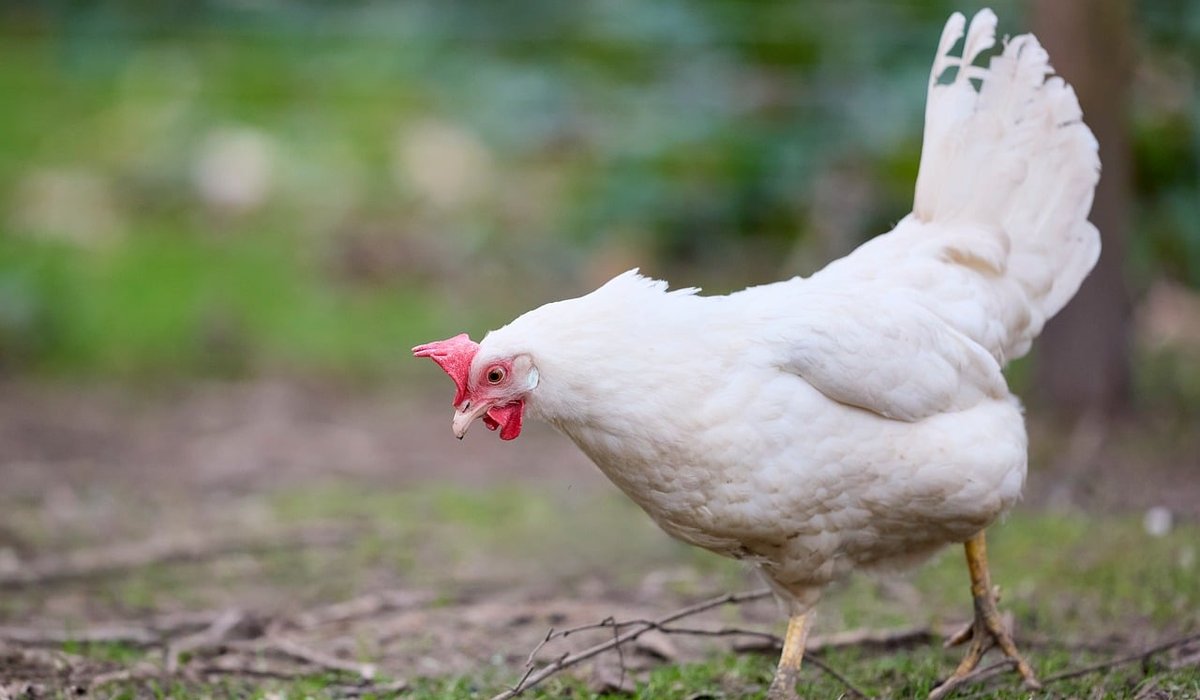
A coop on bare ground is a bleak corner, especially in a small garden where you look at it from the kitchen window all winter. Planting around it softens the boundary, screens the fence line, blurs the run's messier edges and gives you something to enjoy while the hens scratch. Aromatic herbs earn their place twice over: they smell wonderful when you brush past, they mask the whiff of a warm coop, and they help keep flies down in summer.
What herbs will not do is solve a red mite problem. That is about cleaning, checking perch ends and treating the housing properly — not a sprig of mint. Think of planting as good design and good husbandry rather than pest control, and you will not be disappointed.
There is one physical catch. Fresh droppings are nitrogen-rich and can scorch roots, and hens scratch, dust-bathe and flatten anything within reach. So plant where they cannot get at it, and choose plants tough enough to shrug off the odd peck.
These are the reliable performers for a British garden, and all cope with being grown close to a run as long as their roots are protected.
In a small garden, structure matters as much as scent. You want something green in January, not a collection of sticks. These are all tough, tolerant of a bit of neglect and happy in most UK soils.
Leave at least 60–90cm between a shrub and the run fence. That gives you room to prune, keeps the foliage out of pecking range and lets air move around the coop.
This is where most coop borders fail, so build the protection in before you plant.
Hardy greens are the easiest way to add bulk and colour to a coop border, and you can harvest from them rather than letting the flock free-range through your veg bed.
Keep portions sensible. Small amounts of leafy greens are a treat; large quantities of alliums, and anything from the potato, tomato or rhubarb family, are best kept away from hens altogether.
Spring: split overgrown mint, sow hardy greens, mulch borders with well-rotted compost and check your mesh collars are still pegged down after winter heave. Summer: water new lavender and rosemary in their first year, deadhead, cut thyme before it flowers for the best flavour, and keep bedding dry to deter flies. Autumn: trim lavender lightly, plant bare-root shrubs between November and March while they are dormant, and clear fallen leaves from around the run so it does not sit damp. Winter: bay, euonymus and viburnum carry the view, so check pots are not waterlogged and top up gravel mulches.
Compost droppings and bedding in a separate bin and let it rot down properly before it goes anywhere near herb roots — fresh manure is far too strong. Do that, and a scruffy corner becomes the most productive, best-smelling part of the garden.


We are not gonna make spamming
