
Roost & Garret shares practical, down-to-earth guidance on backyard chicken keeping for small uk gardens for readers across the UK.
- 0123456789
- Angle Bd Abdelmoumen & rue soumaya, Résidence
- [email protected]
Roost & Garret shares practical, down-to-earth guidance on backyard chicken keeping for small uk gardens for readers across the UK.
 By Emily Hartley
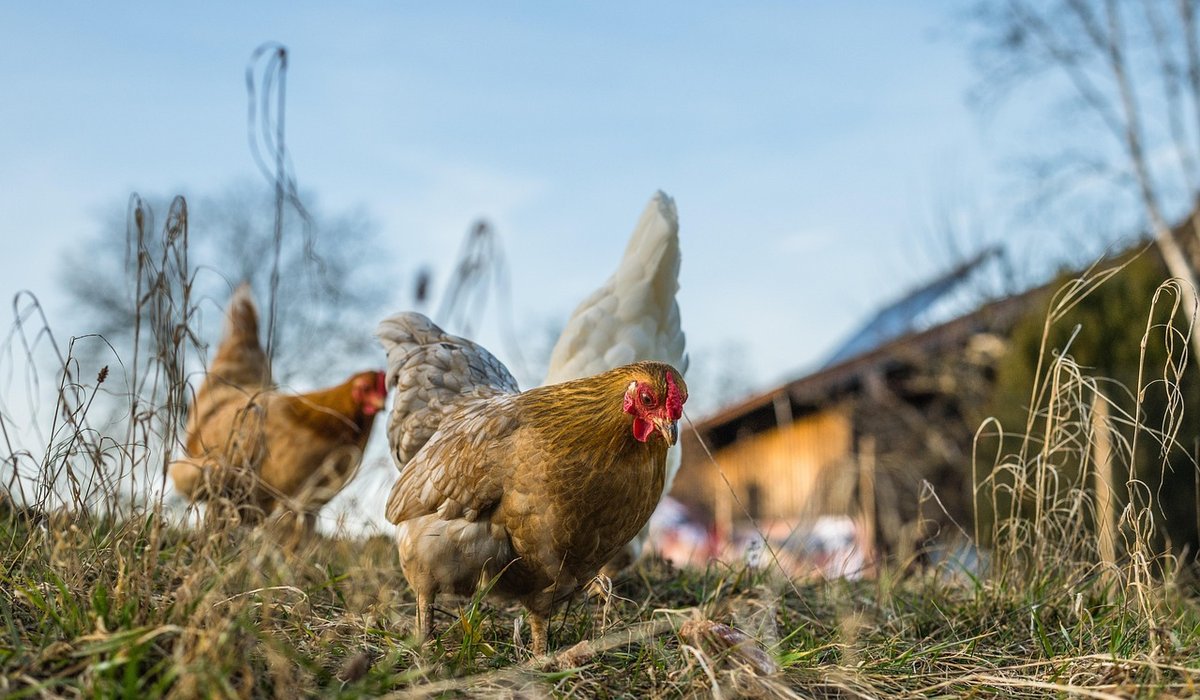
Keeping a few hens in a modest UK garden is one of life's quiet pleasures, but it comes with a responsibility that many new keepers underestimate. Chickens are prey animals, and they are masters at hiding illness. A poorly hen in the wild would be picked off by a fox, so her instincts tell her to keep eating, keep scratching and keep clucking as though nothing is wrong. By the time you notice something obvious, she may have been unwell for several days. The trick is to know your birds so well that small changes jump out at you. Spend five minutes each morning just watching them before you top up the feeder, and you will quickly learn what "normal" looks like for your flock. Once you do, the early warning signs become far easier to spot.
The first thing to check is how your hens are carrying themselves. A healthy chicken is alert, upright and busy. She will rush over when she sees you, scratch at the ground and keep an eye on the sky. A hen that stands hunched with her feathers fluffed up, or sits in a corner with her head tucked in, is telling you something is wrong.
Watch for these behavioural clues:
Any of these, especially when combined, suggests you should isolate the bird for a closer look.
In most breeds the comb is a brilliant indicator of health. A laying hen's comb should be plump, warm and a rich red, standing proud on top of her head. Check it every few days as part of your routine.
Also look at the eyes and nostrils. They should be bright, clear and free of discharge. Bubbly or crusty eyes, a swollen face or a runny nose usually means respiratory disease, which spreads quickly through a small flock.
A hen that suddenly loses interest in food is a hen worth worrying about. Reduced appetite often shows up as a full feeder at the end of the day, or a bird that pecks half-heartedly and wanders off. Equally, a sudden increase in drinking can signal overheating, diarrhoea or kidney trouble.
Droppings tell you a great deal, so do not be squeamish. Normal chicken droppings come in two parts: a firm brown or greenish solid and a white cap of urates. Anything noticeably different is worth noting.
If you spot something unusual, take a photo and make a note of the date. This is surprisingly useful when you speak to a vet.
Sit quietly near your hens and listen. Healthy birds breathe silently. If you hear wheezing, rattling, sneezing or a gurgling sound, something is irritating the airways. A hen that stretches her neck out and gapes may be struggling to breathe, and this needs prompt attention.
The crop, a pouch at the base of the neck, should empty overnight. A squishy, swollen crop first thing in the morning may mean sour crop, while a hard, doughy one could be an impacted crop. Both need prompt care.
Egg problems are another common trigger for illness:
Many minor complaints, such as a small cut or a mild case of lice, can be managed at home with a bit of care and a clean, warm, quiet space away from the flock. But some signs should never be ignored.
Pick up the phone and speak to a poultry-friendly vet if you see any of the following:
Not every small-animal practice treats chickens, so it is well worth finding a poultry vet in your area before you need one. Make a note of the number, and keep a simple first-aid kit on hand with gloves, a thermometer, antiseptic and a spare crate for isolation. A calm, prepared keeper is the best friend a backyard hen ever had.


We are not gonna make spamming
