
Roost & Garret shares practical, down-to-earth guidance on backyard chicken keeping for small uk gardens for readers across the UK.
- 0123456789
- Angle Bd Abdelmoumen & rue soumaya, Résidence
- [email protected]
Roost & Garret shares practical, down-to-earth guidance on backyard chicken keeping for small uk gardens for readers across the UK.
 By Daniel Whitmore
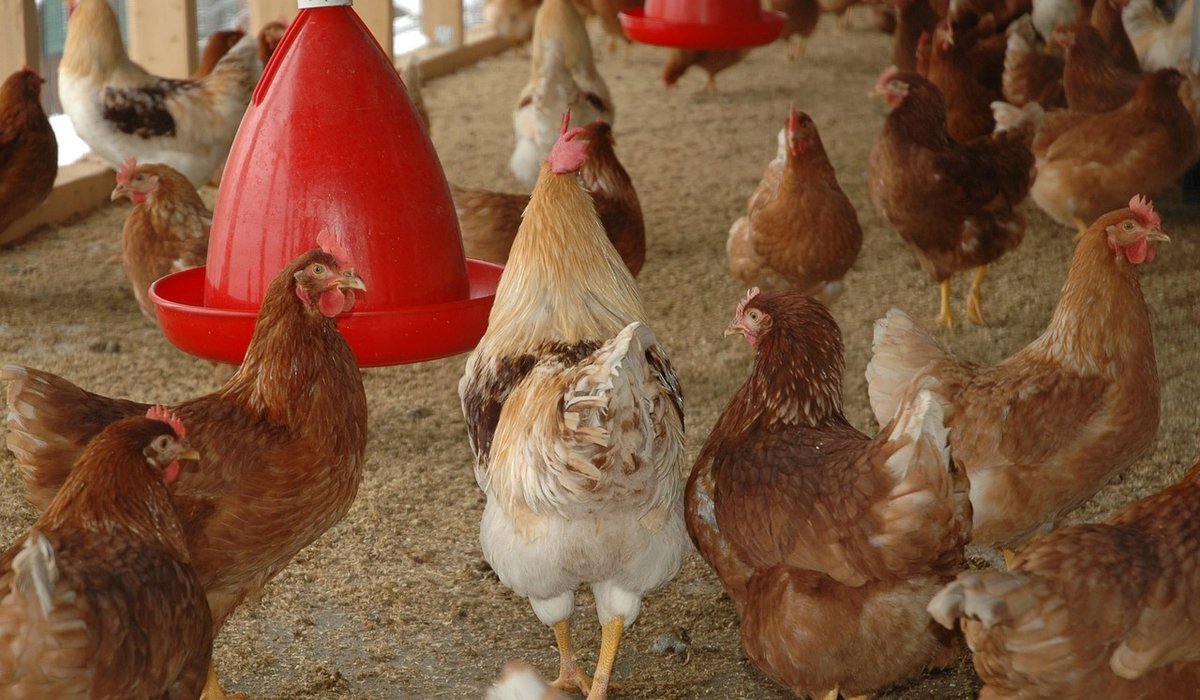
Most British back gardens are modest affairs — a lawn, a border, a shed that leans slightly to one side. Fitting a chicken coop into that picture takes a bit of thought, because the coop itself is only part of the puzzle. You also need room for a run, a spot to store feed and bedding, and enough clearance to get a wheelbarrow or a bucket past without swearing.
As a rough guide, three medium-sized hybrids need a house with at least 90cm x 90cm of internal floor space — about 30cm x 30cm per bird, more if you keep larger breeds. Add a nest box of around 30cm x 30cm, and allow 25cm of perch per hen. Outside, aim for a run of at least one square metre per bird, ideally two, so the ground has a chance to recover.
Then think about siting. Lift the coop off the ground on legs, or stand it on a paved base, so damp cannot creep into the floor. Leave 60cm or so of clear space around it for cleaning and for reaching awkward corners. A little shade in summer and shelter from the prevailing south-westerly wind will do more for your hens' health than any amount of fancy design.
Timber is still the most common choice in British gardens, and there is a good reason for that. Wood breathes, which helps manage moisture, and it insulates reasonably well through a chilly March night. It also looks the part in a cottage garden.
The trade-offs are real, though. Untreated or thinly treated timber will swell, warp and grow mould within a couple of seasons. Plan on an annual coat of animal-safe wood preserver, and check the roof felt every autumn. Red mite love the cracks and joints in timber, so choose a coop with as few internal crevices as possible. On the plus side, a wooden coop can be repaired — a new hinge, a replaced panel, another few years of service.
Moulded plastic coops have become hugely popular for small gardens, and cleaning is where they shine. A hose down, a wipe with poultry-safe disinfectant, and you are done. There are no joints for red mite to hide in, nothing to treat, and no rot.
They are also light. A three-hen plastic coop might weigh 20kg, so one person can move it onto fresh ground without a struggle. Watch out for ventilation, though: cheaper models can suffer condensation, and a coop that faces the afternoon sun can become an oven in July. Check that the perches are wide enough for hens to sit comfortably — flat, 4cm-wide perches are kinder to their feet than narrow round dowels. Look closely at the latches too, as flimsy clips are no match for a determined fox.
Recycled coops use chunky panels made from reclaimed plastic, often moulded to look like timber. You get the easy-clean, no-treatment benefits of plastic with a bit more weight and rigidity, which makes them feel sturdier in a gale. They tend to cost more than either of the other options, but they will not rot, split or need painting.
They are heavier than pure plastic, so moving one solo is a two-handed job, and the screw fixings can work loose over time — worth a check each spring. If you want something that looks like a traditional hen house but behaves like a modern one, this is the sensible compromise.
Damp, stuffy coops cause more health problems than cold ones. Hens cope with frost admirably, but they do not cope with ammonia-laden air and condensation dripping onto their feathers.
Before you buy, imagine yourself at seven in the morning in February, in the rain, with a bucket. A removable droppings tray, a wide door that opens fully, and a lift-off or hinged roof make the difference between a five-minute job and a half-hour ordeal. You should be able to reach every corner without contorting yourself.
Security matters just as much. Choose bolts rather than simple hooks, and consider a paving slab apron around the run to stop anything digging underneath. Deep bedding — wood shavings or hemp — makes weekly cleaning quicker and keeps the floor dry.
Take your time, measure twice, and if you can, see a coop in person before buying. A well-chosen house will keep three or four happy hens comfortable for a decade, and it will sit in your small garden as if it was always meant to be there.


We are not gonna make spamming
