
Roost & Garret shares practical, down-to-earth guidance on backyard chicken keeping for small uk gardens for readers across the UK.
- 0123456789
- Angle Bd Abdelmoumen & rue soumaya, Résidence
- [email protected]
Roost & Garret shares practical, down-to-earth guidance on backyard chicken keeping for small uk gardens for readers across the UK.
 By Charlotte Pemberton
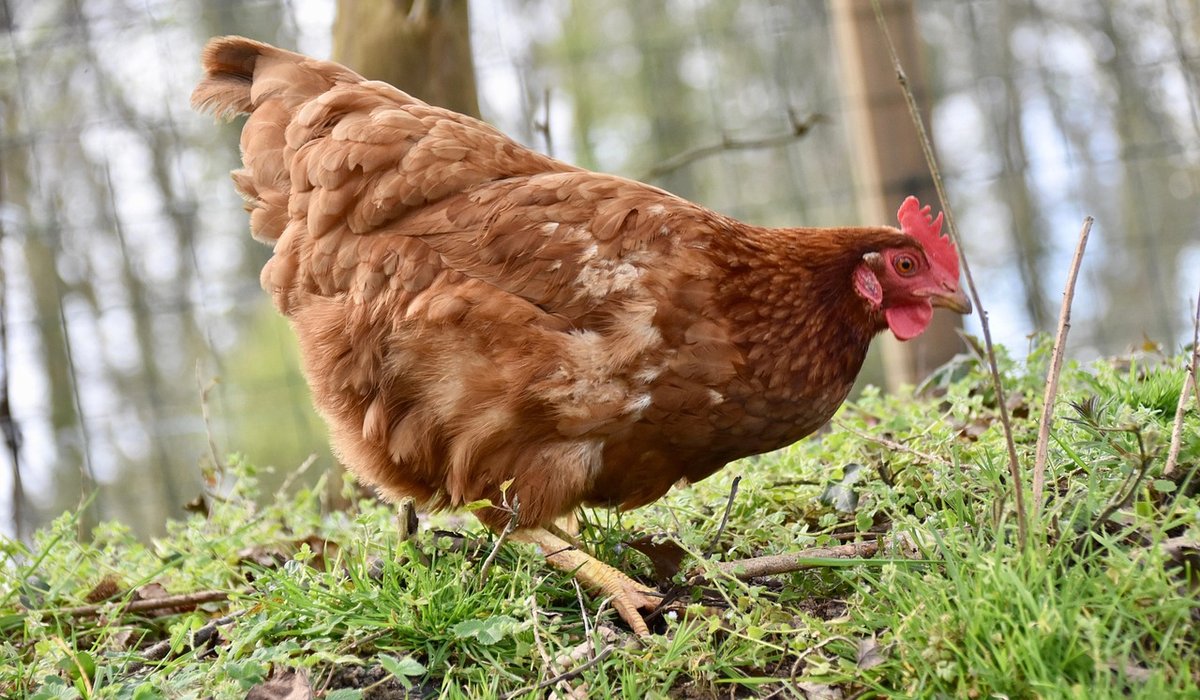
There is something deeply satisfying about carrying a bowl of peelings out to the run and watching the hens come charging over. It feels like the closed loop every small garden should have: kitchen waste in, fresh eggs out. Up to a point, that is exactly right. Hens are busy, curious omnivores and they genuinely enjoy a bit of variety in their day.
The catch is that a hen's nutritional needs are already met, or should be, by a complete layers' pellet or mash. That is the part of the diet supplying the right balance of protein, calcium, vitamins and energy for laying. Scraps should be the garnish, never the meal. As a rough guide, keep treats to no more than about ten per cent of what your birds eat in a day – think one small handful per hen rather than a brimming bowl.
Fill them up on bread and leftovers and they will walk away from the pellets that actually keep them well. You will notice it first in the eggshells: thin, pale and easily cracked.
These are the leftovers worth saving, ideally chopped small so every bird gets a share and nobody can hog the lot:
Some kitchen waste does real harm, and it pays to be strict about it:
One practical note: if your hens are garden pets and the scraps come from your own kitchen, you are on familiar ground. If you sell eggs or keep a larger flock, stricter rules on feeding kitchen and catering waste apply, so check the current guidance before you tip anything in.
How you offer scraps matters almost as much as what you offer.
Hens are good at telling you when something is off, if you know what to look for. Loose, watery droppings, a sudden dip in laying, pale combs, droopy wings or birds hanging back at feeding time all point to something in the diet or the environment. A crop that feels squishy and smells sour first thing in the morning, before they have eaten, suggests sour crop – often linked to too much soft, stodgy food. Weight loss despite a good appetite can mean they are filling up on the wrong things.
Keep the routine simple: pellets first, scraps second, portions small, and a clean dish cleared away afterwards. Do that and a bowl of peelings becomes what it should be – a small daily pleasure for you and the birds, and a neat way of turning the garden's surplus into another lovely egg. When in doubt, leave it out. Your hens will not miss what they never had, and their eggshells and droppings will tell you when you have got it right.


We are not gonna make spamming
