
Roost & Garret shares practical, down-to-earth guidance on backyard chicken keeping for small uk gardens for readers across the UK.
- 0123456789
- Angle Bd Abdelmoumen & rue soumaya, Résidence
- [email protected]
Roost & Garret shares practical, down-to-earth guidance on backyard chicken keeping for small uk gardens for readers across the UK.
 By Daniel Whitmore
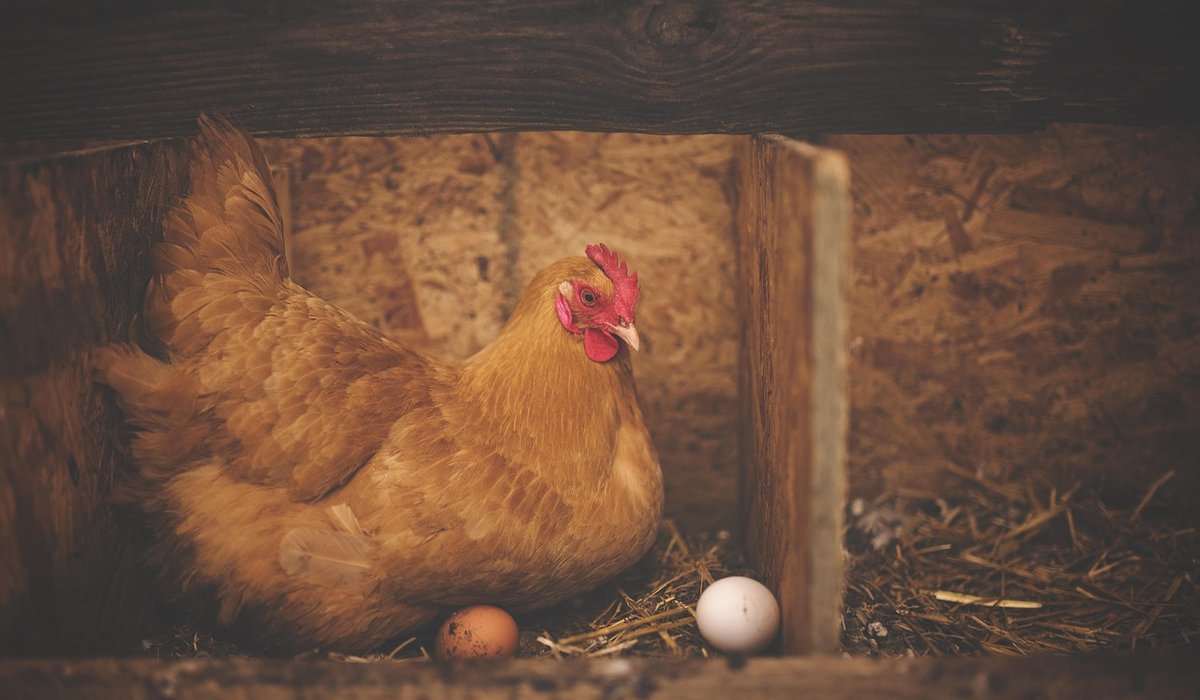
Chickens are surprisingly hardy in a British winter, but they are far less comfortable when the mercury climbs. They descended from jungle fowl, and their bodies are built for warm, humid shade under a canopy — not for a south-facing patio that has been baking since ten in the morning. Because they cannot sweat, a hen's only real cooling tools are panting and holding her wings away from her body to let air reach the skin. Once the temperature creeps past about 25°C, and certainly beyond 30°C, that system starts to struggle.
Small, sheltered UK gardens make things trickier still. Tight boundaries, fence panels, a greenhouse on one side and a shed on the other can turn a modest back garden into a genuine suntrap with very little breeze. If your run sits on paving or gravel, the heat radiating back up from the ground can add several degrees. One useful habit is to leave a maximum-and-minimum thermometer in the run for a week or two — you may be startled by the peak, and it will tell you exactly which corner needs attention first.
Watch for the early signs: panting with an open beak, wings held out from the body, reluctance to move, and a pale or floppy comb. Hens that are genuinely overheating will often sit in the shade and refuse even their favourite treats. Acting early, before those signs appear, is far easier than rescuing a hen in trouble.
Shade is the single most effective thing you can provide, and it needs to stay put through the middle of the day, not just the morning. A piece of shade netting or an old cotton sheet pegged over part of the run works well — aim for roughly half the run in deep shade and half in dappled light, so hens can choose. Avoid tarpaulin: it blocks the sun beautifully but also traps hot, still air underneath.
Foliage helps too. A large potted shrub, a trellis of climbing beans or even a few spent sunflowers positioned to cast afternoon shade can transform a bare corner of the run into a genuinely comfortable spot.
Hens lose heat through their feet and legs, so shallow water is one of the kindest things you can offer. A large, heavy plant saucer or a shallow cat litter tray filled with two to three centimetres of cool water is ideal — deep enough to stand in, too shallow to drown in. Add a handful of pebbles or a couple of bricks so a hen can step in and out easily, and refresh it whenever the water starts to feel warm.
Sink it into the shade, near where the hens already like to loaf about, and top it up with a hose or watering can rather than carrying heavy buckets across a hot garden. If you have a paddling pool for the children, resist the temptation to let the hens share it — even a few centimetres of water can be risky for a small bantam in a panic. One hen at a time, supervised, in a tray you can tip out afterwards, is much safer and just as effective.
Cold food brings down body temperature from the inside, and it has the happy side effect of keeping bored hens busy. The trick is to choose watery, low-sugar things rather than stodgy kitchen scraps.
Do make sure fresh, cool drinking water is available at all times, and consider moving drinkers into the shade — a black plastic drinker in full sun quickly turns into a warm soup no hen wants to touch. On very hot days, add a poultry electrolyte supplement to the water, or a pinch of sugar and salt in a large drinker, to replace what panting takes out of them.
On hot days, work with the weather rather than against it. Feed your hens early in the morning and again in the evening, when it is cooler and their appetites are better — digestion generates heat, so a big midday meal is the last thing they need. Collect eggs promptly, keep the nest boxes shaded, and avoid handling or moving birds during the hottest hours.
If a hen looks distressed — gaping beak, drooping wings, wobbling, or a comb that has gone pale or purple — bring her indoors to a cool, shaded spot, sit her in a few centimetres of tepid (not icy) water, and let her drink. Call a vet if she does not improve within half an hour. With shade, cool feet, cold treats and a bit of forward planning, most UK flocks sail through even a proper heatwave without much trouble at all.


We are not gonna make spamming
