
Roost & Garret shares practical, down-to-earth guidance on backyard chicken keeping for small uk gardens for readers across the UK.
- 0123456789
- Angle Bd Abdelmoumen & rue soumaya, Résidence
- [email protected]
Roost & Garret shares practical, down-to-earth guidance on backyard chicken keeping for small uk gardens for readers across the UK.
 By Daniel Whitmore
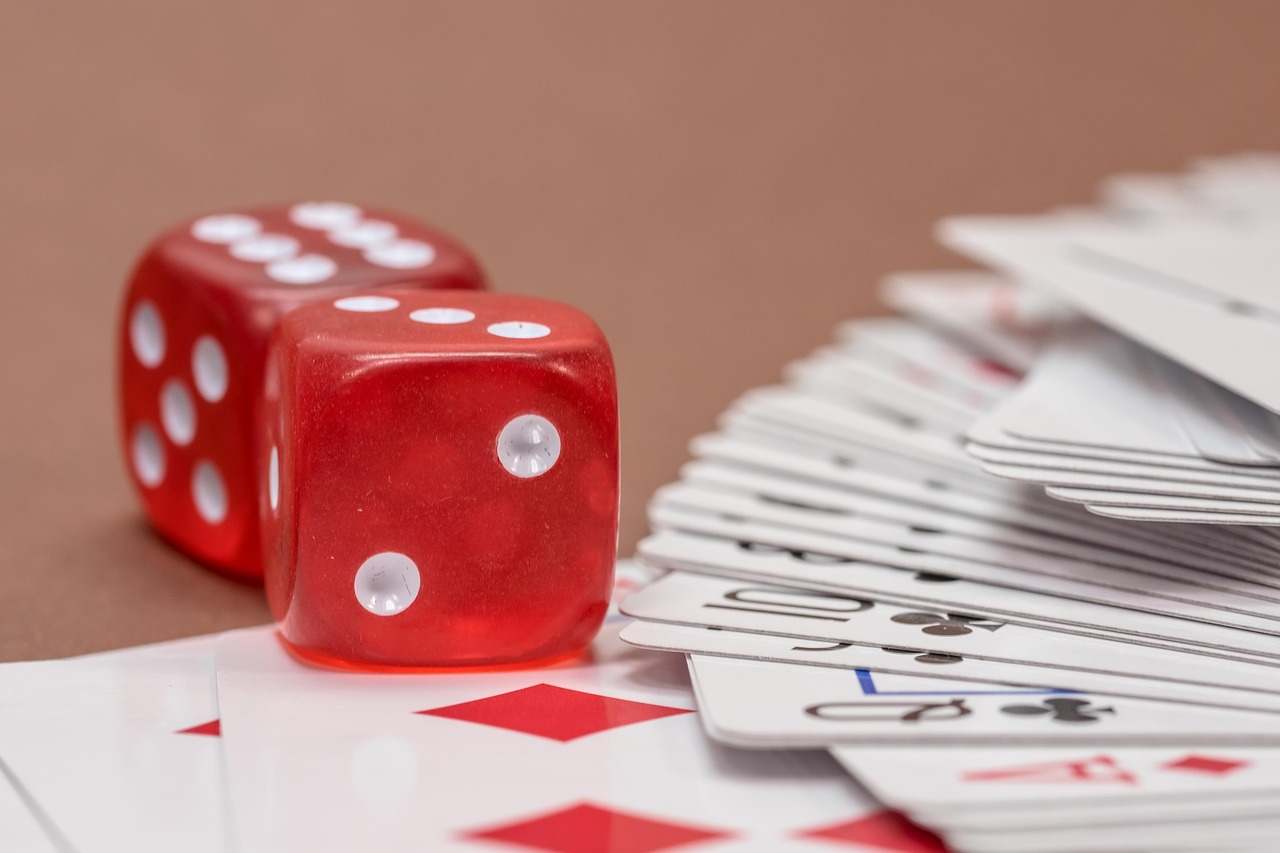
Ask ten gamblers why they lost last weekend and you'll get ten different stories. The slot was cold. The dealer was chopping. The poker table was full of donkeys who kept sucking out. What you almost never hear is the honest answer: variance happened, and nobody at the table could have stopped it. That gap between how gambling feels and how it actually works is where most players' money quietly disappears.
Let's fix that. Not with another breathless listicle about "secret strategies the casinos hate," but with a clear-eyed look at the mechanics underneath the games you actually play. Slots, poker, sports betting, live dealer tables — they all reward a specific kind of understanding, and it has almost nothing to do with gut instinct.
Every modern slot runs on a Random Number Generator, and here's the part people struggle to internalize: the RNG has no memory. It doesn't track your session, your losses, or how long that bonus has been "building up." Each spin is an independent event. If a machine has a 96% RTP, that figure describes its theoretical payout across millions of spins, not a promise that 96 cents comes back to you tonight.
This is why the gambler's fallacy is so expensive. Falling for it sounds like this:
None of that is true. Ten losses in a row doesn't tilt the next spin toward you. The reels don't feel pressure. What does matter is volatility — whether a slot delivers frequent small wins or rare massive ones — and your bankroll's ability to survive the dry spells. A high-volatility slot with a 96.5% RTP can still eat 300 spins before paying anything meaningful. Knowing that going in is the difference between a bad session and a catastrophic one.
Hollywood ruined poker tells. Actors glance at their chips, tug an ear, and somehow everyone at the table reads their soul. Real tells are subtler and far more useful: they're about timing and betting patterns, not body language quirks.
What actually matters at the table:
The most reliable edge in poker isn't psychic — it's note-taking. Write down how your regular opponents play specific spots. After a few sessions, patterns emerge that no amateur can disguise. That's a far bigger edge than staring at someone's eyebrow. There is a useful overview at สล็อต.
Here's a number most bettors ignore: a standard -110 line on a point spread carries a house edge of about 4.55%. That means if you win 52.4% of your bets, you break even. Anything less, and the book is slowly bleeding you dry. Most recreational bettors hit somewhere between 48% and 51% over a large sample. That's why sportsbooks don't fear sharp bettors nearly as much as they fear nothing at all — the math does the work.
Where bettors actually gain ground:
Chasing losses with bigger bets is the fastest route to zero. The math doesn't forgive tilt.
Live dealer roulette, blackjack, and baccarat feel more "real" than RNG tables because there's a human spinning the wheel. The trade-off is speed. A live roulette table might run 40-60 spins per hour, versus 300+ on an RNG version. That slower pace is actually a gift to your bankroll — the house edge has fewer chances to grind you down.
But watch the side bets. Live dealer blackjack tables increasingly push "perfect pairs" and "21+3" wagers that carry house edges north of 5-7%, far worse than the base game's 0.5% (with good rules). The glamour of the side bet is exactly why it's profitable for the house. Stick to the main game, learn basic strategy cold, and treat side bets as entertainment you pay for separately.
Welcome bonuses look generous until you read the terms. A "100% up to $500" offer with 40x wagering on slots means you must bet $20,000 before withdrawing anything from that bonus. Some games contribute only 10% toward wagering requirements, which means $200,000 in real terms. The math is not subtle once you look.
Before claiming any bonus, check these:
A bonus with bad terms isn't a bonus. It's a leash.
Nobody beats the house consistently, and anyone selling you a system that does is selling you something else. What you can do is stop handing over money for reasons that don't hold up. Understand variance. Track your poker opponents honestly. Shop your lines. Read the bonus terms before you opt in. Play slower, bet smaller, and treat the whole thing as entertainment with a cost — because that's what it is.
The players who last longest in this world aren't the ones who found a secret. They're the ones who stopped believing in one.


We are not gonna make spamming
